God is ALL in All
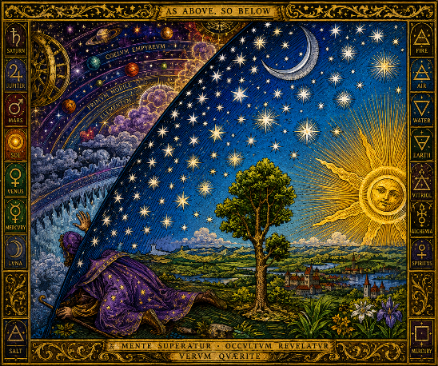
This is a Philosophical and Spiritual endeavor to extract, Harmonize, and synthesize the Universal Truths underlying the world's Diverse Religious, Mystical, and Philosophical traditions. Most famously associated with the concept of Perennial Philosophy, it posits that All Major Traditions share a single, transcendent metaphysical Source and Core Set of Truths.
"By the Power of Truth, I, while Living, have Conquered the Universe."
"I Am Nothing, yet I Am Everything."
Judaism
I. Origins and the Foundation of the Faith
Judaism is one of the world's oldest continuously practiced monotheistic religions and serves as the spiritual foundation from which both Christianity and Islam later emerged. Its origins trace back nearly four thousand years to the covenant established between God and Abraham, who is regarded as the father of the Jewish people. Judaism is more than a religion; it is also a covenantal way of life, a moral tradition, and a living culture centered upon the worship of one God and the pursuit of righteousness. Throughout centuries of triumph, exile, persecution, and renewal, Judaism has remained steadfast in its devotion to God, the study of sacred scripture, and the ethical responsibilities of human life. At its heart, Judaism teaches that every person is created in the image of God and possesses inherent dignity and purpose. Life is viewed as an opportunity to develop a relationship with God through faith, obedience, learning, justice, compassion, and service to others. Rather than focusing primarily on life after death, Judaism places great emphasis upon sanctifying daily life by living according to God's commandments and bringing holiness into the world through one's actions.
II. The Absolute Oneness of God
The central doctrine of Judaism is the absolute Oneness of God. This belief is expressed in the Shema, one of Judaism's most sacred prayers: "Hear, O Israel: The Lord our God, the Lord is One." God is understood to be eternal, all-powerful, all-knowing, infinitely just, and infinitely compassionate. He is the Creator of heaven and earth and the source of all life. Unlike the gods of ancient pagan religions, the God of Judaism cannot be represented by images or confined to any physical form. He transcends creation while remaining actively involved in the affairs of humanity. The recognition of God's unity forms the foundation upon which every other aspect of Jewish belief is built. One of the defining characteristics of Judaism is the concept of covenant. God entered into a sacred relationship with Abraham, promising to make his descendants a great nation through whom all the families of the earth would be blessed. This covenant was later reaffirmed with the people of Israel through Moses at Mount Sinai, where God gave the Torah as the guide for righteous living. The covenant establishes a relationship based upon mutual faithfulness: God remains faithful to His promises, while His people are called to live according to His commandments. The covenant is not merely a historical event but an enduring relationship that continues to define Jewish identity and purpose.
III. The Torah and Sacred Tradition
The Torah occupies the central place in Jewish life. Consisting of the first five books of the Hebrew Bible, it is regarded as God's revealed instruction for humanity and particularly for the people of Israel. The Torah contains history, law, ethical teachings, and spiritual wisdom. Its purpose is not simply to establish religious rituals but to guide every aspect of life, including family relationships, business practices, social justice, worship, and personal conduct. Jewish tradition teaches that studying the Torah is itself an act of worship because it deepens one's understanding of God's will and strengthens one's relationship with Him.
IV. Human Nature, Free Will, and Repentance
Judaism teaches that every human being is created in the image and likeness of God. This doctrine affirms the inherent worth, dignity, and sacredness of every person regardless of race, nationality, wealth, or social status. Because every individual bears the Divine image, human life is regarded as sacred and deserving of protection. This belief forms the ethical basis for justice, compassion, charity, and respect for others. The recognition of God's image within every person encourages humility, responsibility, and love for one's neighbor.
A central tenet of Judaism is that human beings possess free will and are therefore morally responsible for their choices. God has given humanity the ability to distinguish between right and wrong and expects individuals to choose righteousness. While people are influenced by circumstances and natural inclinations, they are never viewed as powerless victims of fate. Every person has the capacity to repent, to change, and to pursue goodness. Moral responsibility extends beyond personal behavior to include one's obligations toward family, community, and society as a whole.
V. Justice, Ethics, and Tikkun Olam
Justice occupies a central place in Jewish thought. The Hebrew word tzedek signifies righteousness, justice, and fairness. The prophets repeatedly taught that genuine worship of God must be accompanied by ethical living. Caring for the poor, protecting the vulnerable, dealing honestly in business, and defending those who suffer injustice are considered essential expressions of faith. Judaism teaches that love of God cannot be separated from love of one's fellow human beings. The pursuit of justice is therefore not merely a social ideal but a sacred obligation.
Judaism teaches that all people are capable of making mistakes and falling into sin. However, it also emphasizes God's willingness to forgive those who sincerely repent. The process of repentance, known as teshuvah, literally means "return." It involves recognizing one's wrongdoing, expressing genuine remorse, making restitution whenever possible, and committing to live differently in the future. Repentance is viewed not as a sign of weakness but as one of the greatest expressions of spiritual strength. God's mercy is always available to those who sincerely seek reconciliation.
VI. Worship and the Sanctification of Daily Life
While prayer and synagogue worship are important, Judaism teaches that every aspect of daily life can become an act of worship. Observing the Sabbath, celebrating religious festivals, practicing charity, honoring parents, showing kindness to strangers, conducting business honestly, and expressing gratitude for life's blessings are all considered sacred acts. Holiness is not confined to religious ceremonies but is cultivated through faithful living in ordinary circumstances. Every action performed with sincerity and obedience contributes to a life dedicated to God.
Judaism teaches that humanity has a responsibility to participate in the betterment of the world. This concept is often expressed by the Hebrew phrase Tikkun Olam, meaning "repairing the world." While its interpretation has evolved over time, it generally refers to the responsibility of individuals to promote justice, peace, compassion, and healing within society. Rather than withdrawing from the world, Judaism encourages active participation in improving it. Through righteous actions, each person contributes to the fulfillment of God's purposes for creation.
The ultimate goal of Judaism is to live in faithful relationship with God by embodying His teachings in every aspect of life. Spiritual maturity is measured not only by belief but by character, integrity, compassion, and obedience. The faithful Jew seeks to sanctify everyday life through continual awareness of God's presence and by fulfilling the commandments with joy and sincerity. Through devotion, study, ethical conduct, and service to others, the individual participates in God's ongoing work within the world.